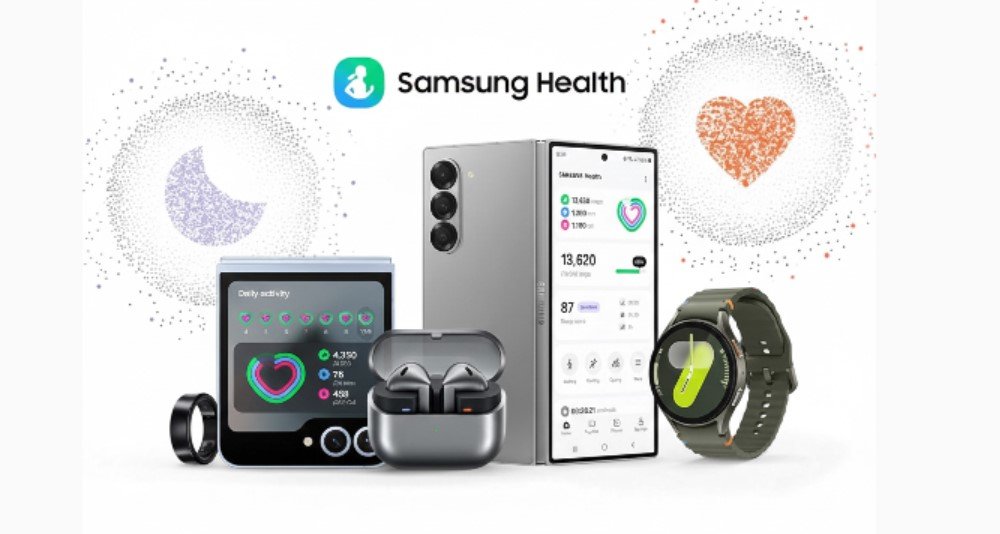
Samsung's AI Health Ecosystem lineup makes a big promise: your health isn't managed by one device, but by a team of connected gadgets. From the smartwatch on your wrist and the ring on your finger to the foldable phone in your pocket and the smart home hub on your shelf, every gadget is designed to talk to each other. This is the vision of a "Connected Life," where your environment can automatically adapt to your wellness data. This review breaks down each part, looks at how they work together, and answers the main question: is this seamless system a true step forward for personal health, or is it just a complex and expensive setup for Samsung fans?
A Guide to the Connected your Samsung's AI Health Ecosystem
The real innovation isn't in any single device, but in how they work together. The table below shows how each part functions in Samsung's connected system.
| Device | Core Role in Ecosystem | Key Data Collected / Action Performed | Required for Full Experience? |
|---|---|---|---|
| Galaxy Z Fold7 | Primary Command Hub | Shows all your combined health data; used to set up and manage automatic routines. | Yes. It's the central screen and control point. |
| Galaxy Watch7 / Ultra | Advanced Health & Fitness Monitor | ECG, Sleep Apnea detection, workout tracking, continuous heart rate, stress. | Highly Recommended. Main source for medical-grade and fitness data. |
| Galaxy Ring | Simple Wellness Baseline | Sleep quality, recovery info, resting heart rate (especially during sleep). | Recommended. Gives superior sleep data and a 24/7 health baseline. |
| Galaxy Buds3 Pro | Immersive Audio for Wellness | Plays guided mindfulness and focus sounds; enables smart noise control. | Optional, but improves focus and relaxation routines. |
| Samsung Health App | Central AI Brain & Dashboard | Brings all data together, finds trends (Energy Score), and creates health triggers. | Yes. The essential software that makes it all work. |
| SmartThings Platform | Automation & Home Control Engine | Runs routines by linking health "triggers" to smart home device "actions." | Yes for home features. Needs other compatible smart home |
1. Galaxy Watch7 & Watch Ultra: The Health Powerhouse

The galaxy watch 7 is the high-grade engine of the Samsung's AI Health Ecosystem, packed with sensors for those who take data-driven health seriously.
- Key Features:
- Advanced Health Monitoring: FDA-authorized Sleep Apnea Detection (checks for moderate-to-severe OSA) and ECG app for heart rhythm. A new Antioxidant Index sensor estimates skin nutrients via a quick fingertip scan.
- Fitness & AI: The AI-powered Running Coach gives real-time feedback on your form. The Energy Score (made in Samsung Health) looks at sleep, activity, and heart rate to suggest your daily readiness.
- Ultra Model Specs: Tough titanium build, a large 590mAh battery (up to 100 hours in Power Saver), a very bright 3,000-nit sapphire screen, and 10ATM water resistance.
- How It Works with the Ecosystem: The watch is the main data collector. Its constant stream of information, from overnight blood oxygen levels for sleep apnea to heart rate during exercise and is the raw material that Samsung Health's AI uses to create personalized insights and triggers for home automation.
- Pros: Unmatched depth of health insights; Ultra model is very tough with top-tier battery life.
- Cons: High price; needs daily charging for all features; best features only work with Samsung phones.
- Who should buy it first: Fitness fans, health data lovers, and anyone with specific sleep or heart health curiosity.
- Who should avoid it: iPhone users, casual trackers, or those bothered by charging every night.
2. Galaxy Ring: The Invisible Wellness Monitor
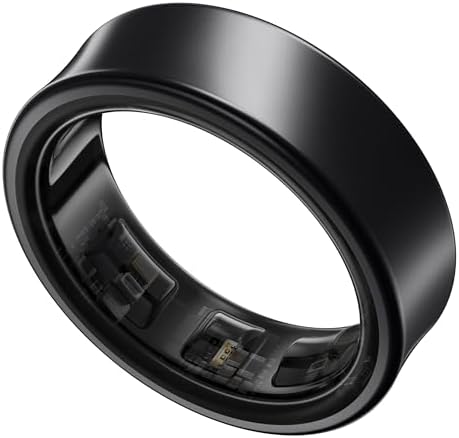
The Galaxy Ring is all about easy, automatic tracking, focusing on long-term trends.
- Key Features:
- Effortless Tracking: Very light titanium design for 24/7 wear, great for sleep stages and recovery metrics.
- Long Battery Life: Lasts up to 7 days on one charge.
- Ecosystem Role: Gives a more comfortable, steady sleep data stream than a watch and helps set your body's true baseline.
- How It Works with the Ecosystem: It works as a secondary, always-on sensor. It fills important data gaps when you're not wearing your watch (like during sleep) and its recovery info helps improve the Energy Score and Sleep Coaching tips in Samsung Health.
- Pros: Best comfort for sleep tracking; takes away daily charging worry; perfect wellness partner for a smartwatch.
- Cons: No screen for alerts; lacks active medical sensors (ECG, sleep apnea); it's only for collecting data.
- Who should buy it first: People focused on better sleep, those who don't like sleeping with a watch, or data lovers who want complete 24/7 metrics.
- Who should avoid it: Users who want a standalone smart device or active health alerts.
3. Galaxy Buds3 Pro: The Intelligent Audio Gateway

Galaxy Buds3 Pro These are not just earbuds; they're the audio hub for the ecosystem's mindfulness and focus features.
- Key Features:
- Smart Sound Features: Adaptive Noise Control changes based on your surroundings. Voice Detect lowers your volume when you speak.
- Deep Integration: Instant Auto Switch between Galaxy devices. Direct link to Samsung Health mindfulness content.
- Audio Quality: Two drivers with Adaptive EQ that adjusts sound to how the buds fit in your ear.
- How It Works with the Ecosystem: They are the output for wellness audio. When a SmartThings "Focus" or "Wind Down" routine starts, they can automatically play a specific meditation track or focus sound, straight from the Samsung Health app.
- Pros: Best-in-class smooth switching within the Galaxy world; smart features are actually useful; makes meditation routines better.
- Cons: High price; top AI features need a Samsung phone; battery life is good, not amazing.
- Who should buy it first: Committed Samsung Galaxy users who value integrated, high-quality audio for wellness and getting things done.
- Who should avoid it: People with mixed-brand device setups or on a tight budget.
4. Galaxy Z Fold7: The Command Center

The Z Fold7's main value here is its big screen.
- Key Features:
- The Best Dashboard: The tablet-sized inner screen makes the Samsung Health app a powerful tool. Seeing detailed sleep charts or year-long fitness trends is a much better experience.
- Control Hub: Managing complicated SmartThings automatic routines is much easier on the large, multi-tasking-friendly display.
- How It Works with the Ecosystem: It is the main window. While it doesn't create unique health data, it is the best place to see all your insights, understand patterns, and control all connected devices and automations.
- Pros: Gives the best possible mobile view for handling health data and smart home management.\
- Cons: Very high cost; heavier and thicker than a regular phone.
- Who should buy it first: Power users and data-focused people who want the biggest, most capable screen to manage their whole digital wellness and smart home life.
- Who should avoid it: Anyone happy with a normal phone screen or sensitive to price and weight.
Samsung SmartThings + Samsung Health
Samsung has built two powerful platforms that serve distinct purposes: Samsung SmartThings for smart home automation and Samsung Health for personal wellness tracking. While they function independently, their strategic integration creates a uniquely proactive and personalized living experience, blurring the lines between your home environment and your personal health.
Samsung SmartThings: The Central Nervous System of Your Smart Home
Samsung SmartThings is an open, unified platform that connects, automates, and manages a vast array of smart devices from hundreds of brands, all through a single, intuitive app.

Core Functionality & Key Features:
- Unified Hub & Control: Acts as a central hub (via a dedicated device, a Smart TV, or the app itself) to connect devices using Wi-Fi, Zigbee, Z-Wave, and Thread/Matter protocols. You can control everything from lights and locks to appliances and robots from one dashboard.
- Advanced Automation & Routines: Move beyond simple timers. Create complex "If This, Then That" scenarios based on time, device status, location, or sensor data.
- Example Routine: "Good Morning" can open smart blinds, start the coffee maker, and play a news briefing on your TV when your morning alarm is dismissed.
- Home Monitoring & Security: Integrate security cameras, motion sensors, and door/window contacts. SmartThings Home Monitor can arm/disarm your system and send alerts to your phone for unexpected activity, even triggering actions like turning all lights red.
- AI Energy Management: Leverage AI Energy Mode to analyze the energy consumption of connected appliances (like washers, dryers, and AC units). It provides insights and can automatically switch devices to lower-power modes to save energy and reduce costs.
- Broad Ecosystem & Matter Support: Its greatest strength is compatibility. It works with thousands of devices from Samsung, Philips Hue, Ring, Aqara, Yale, and many more. Its early adoption of the Matter standard ensures future-proof, seamless cross-brand connectivity.
Samsung's AI Health Ecosystem: Your Personal Wellness Companion
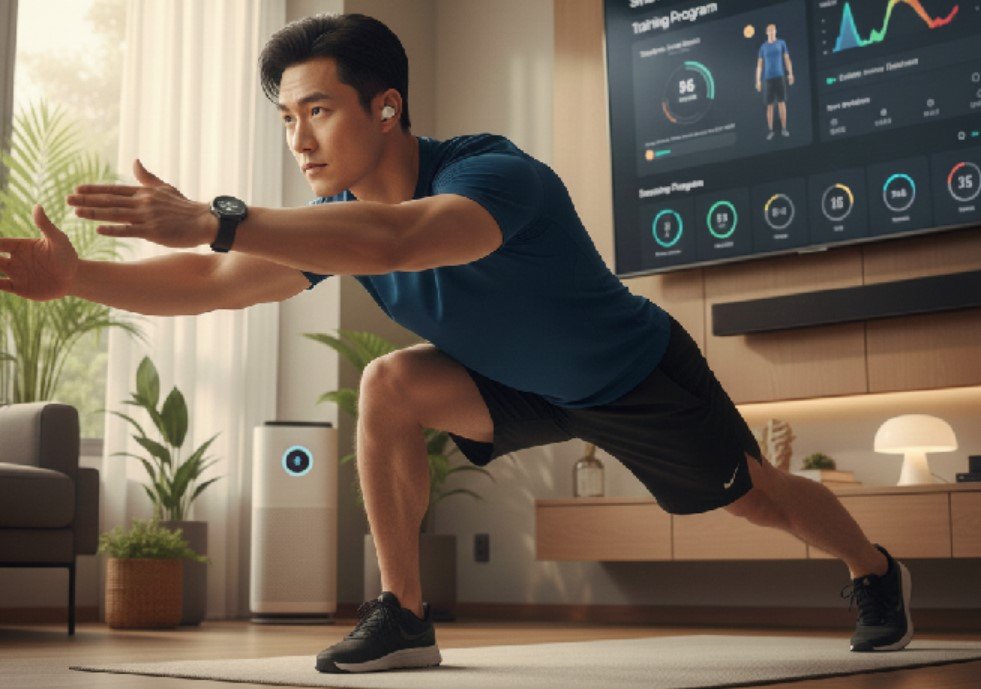
Samsung Health is a comprehensive health and fitness platform that aggregates data from your Galaxy smartphone, smartwatch (Galaxy Watch), ring (Galaxy Ring), and other compatible third-party devices and apps.
Core Functionality & Key Features:
- Holistic Activity Tracking: Automatically tracks steps, distance, and calories. Offers guided workouts for running, cycling, HIIT, and mindfulness sessions like meditation.
- Comprehensive Health Metrics: Monitors a wide range of physiological data, including:
- Heart Rate & ECG: For monitoring cardiovascular activity and detecting potential atrial fibrillation.
- Sleep Analysis: Provides detailed sleep stages (awake, light, deep, REM), a sleep score, and environmental factors like room temperature and snore detection (using your phone's microphone).
- Stress & Recovery: Measures stress levels through Heart Rate Variability (HRV) and offers guided breathing exercises.
- Body Composition: (Via compatible Galaxy Watches) analyzes skeletal muscle mass, body fat percentage, and more.
- Nutrition & Habit Management: A digital log for food, water, and caffeine intake. Allows you to set and track dietary goals alongside your physical activity.
- Social Motivation & Challenges: The "Together" tab lets you compete with friends on step counts or participate in global fitness challenges to stay motivated.
Final Verdict:
Samsung's AI Health Ecosystem is a tech wonder that delivers a truly smooth and active health management experience—but only for one type of user.
This collection is a great success if you are: all-in on the Samsung Galaxy smartphone world, love digging into health data, want to automate your home, and can afford several top-tier devices. For you, the teamwork between gadgets is real and game-changing.
This collection is not the right fit if you: use an iPhone, prefer to choose the best device from any brand, are on a strict budget, or just want things to be simple. The connected "walled garden" is perfect for the first group but a problem for this one.
In short, Samsung hasn't just released gadgets; they've built a smart, connected health platform. It's a strong case for sticking with one tech brand. However, its best qualities